
January is often a warm-up month.
A moment to breathe, zoom out, and reset. So we kicked off 2026 with a proper energy boost alongside our People community.
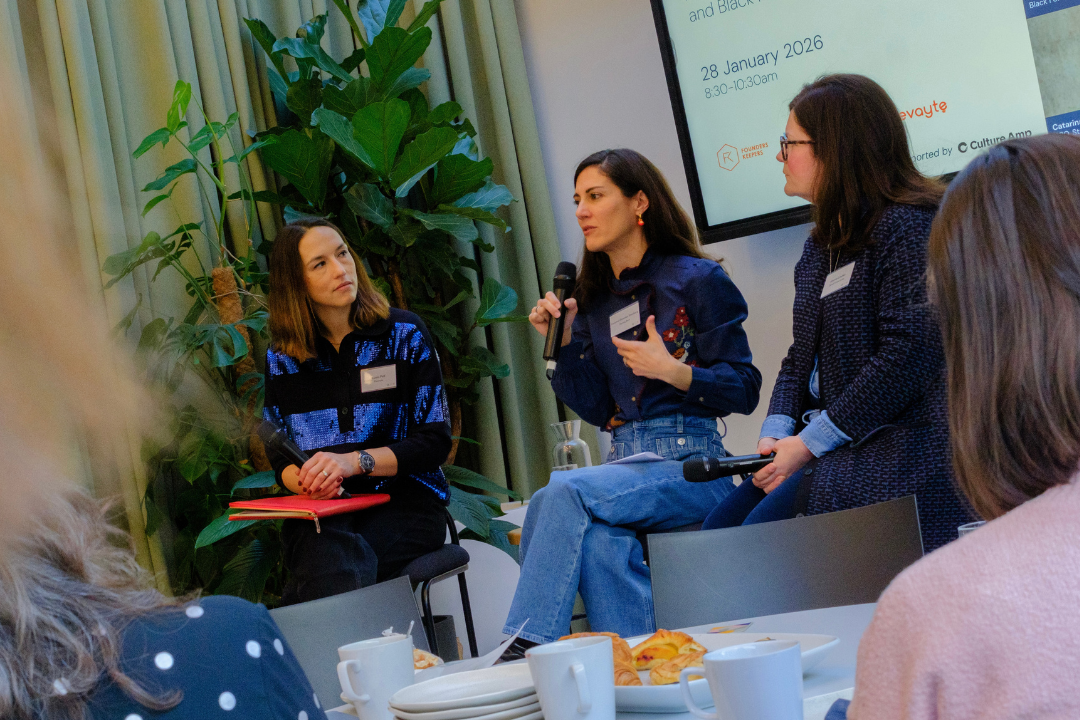
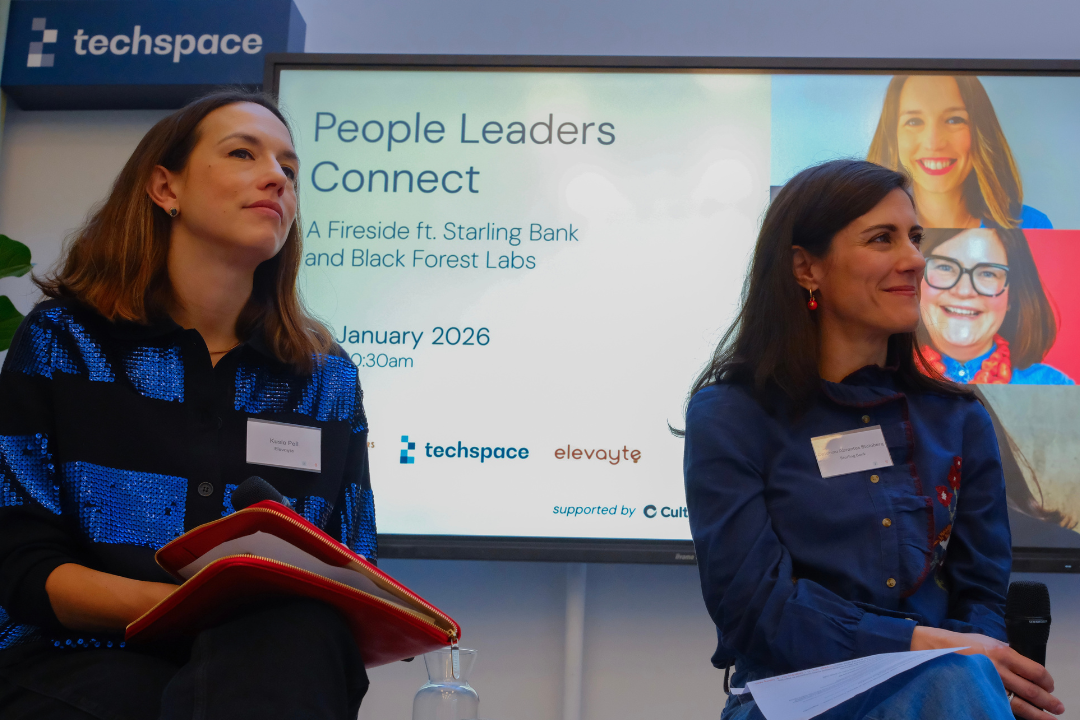
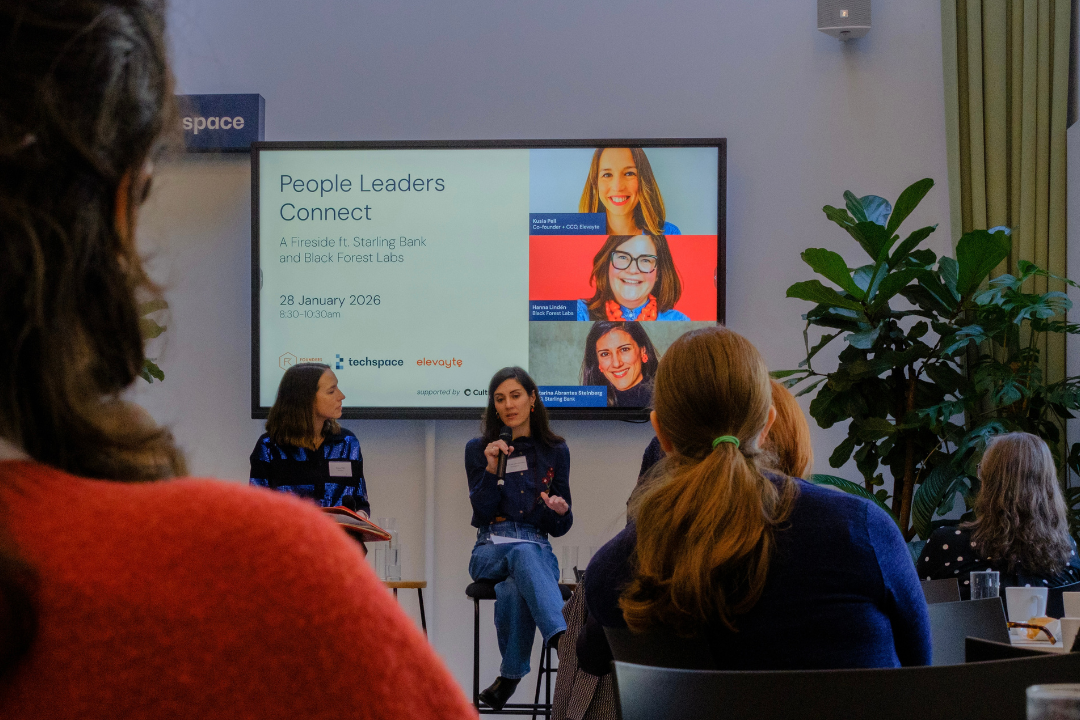
This month, we hosted our first People Meet-Up of the year: an insight-rich session designed to help people look ahead, make meaningful connections, and get inspired.
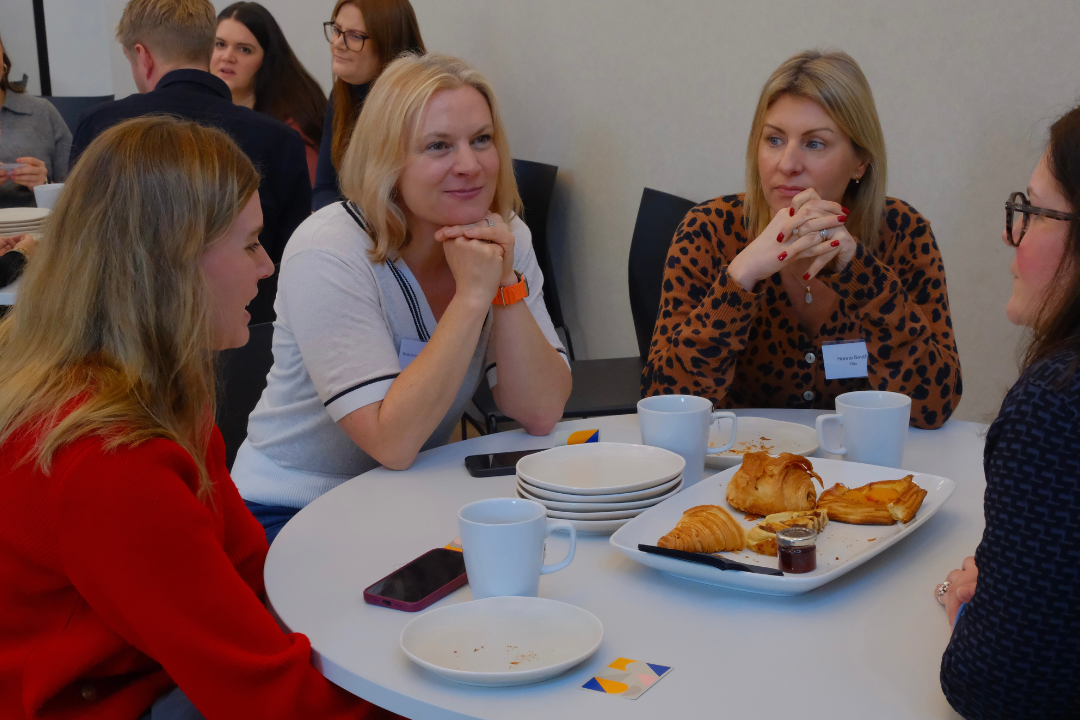
We were joined by two fantastic speakers who brought very different, but equally valuable perspectives on what 2026 might hold, followed by thoughtful conversations and networking over a shared breakfast.
It was a space to learn, swap ideas, unpack shared challenges, and connect with some genuinely wonderful humans!
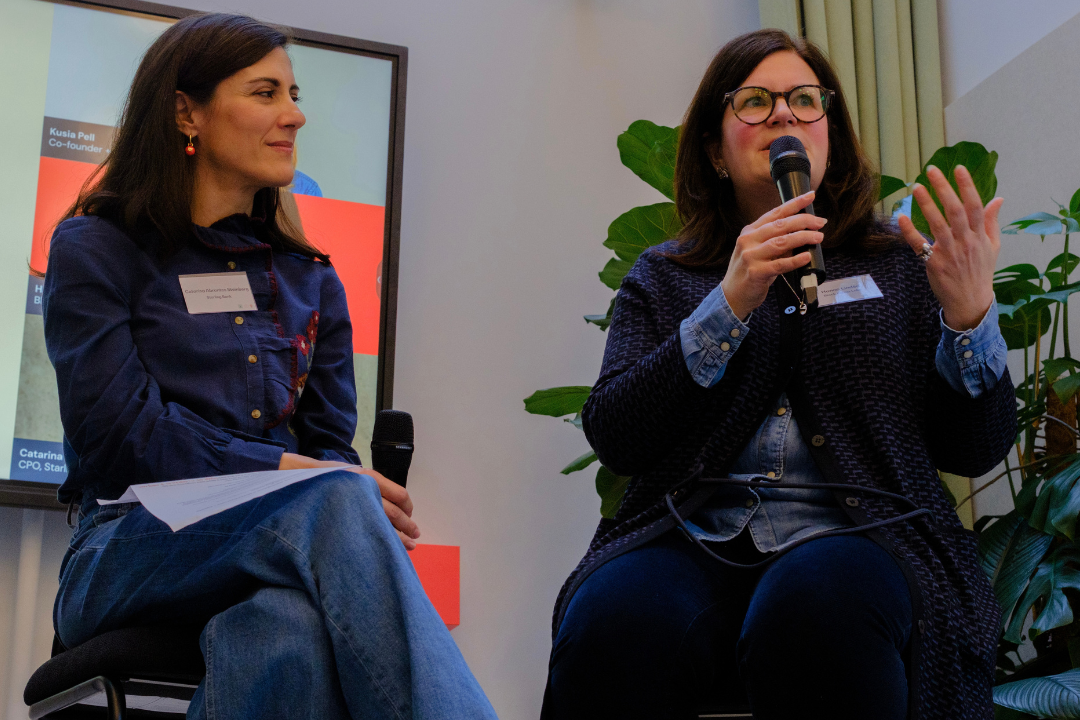
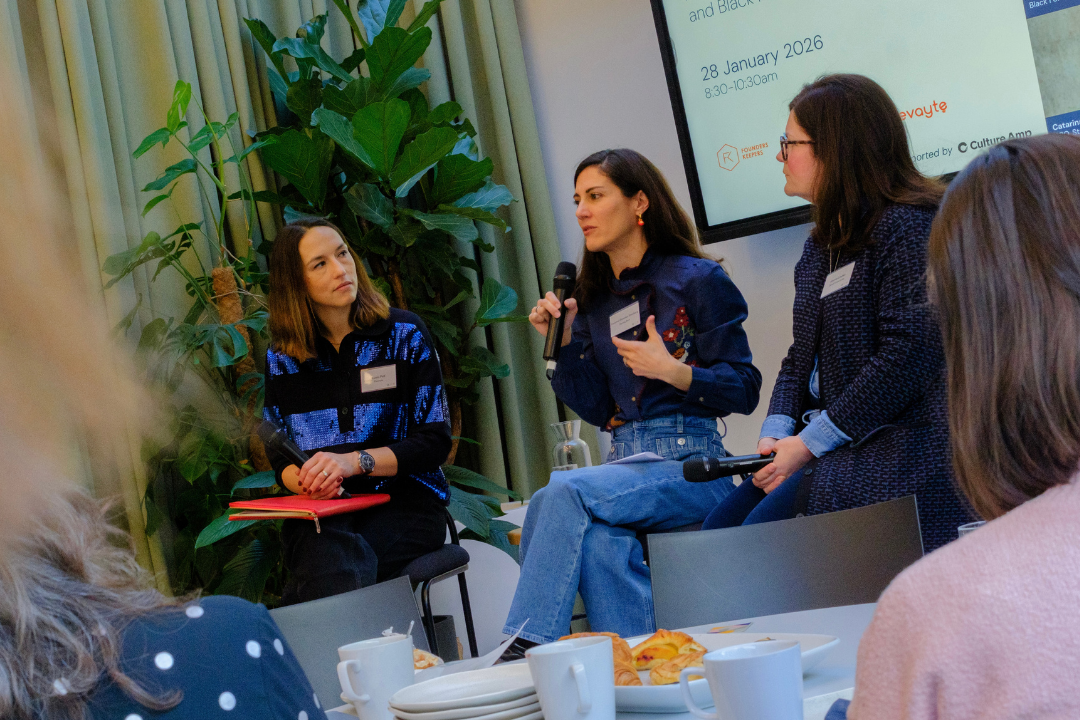
Thank you again to those who joined us for the panel. And a massive thanks again to our speakers:
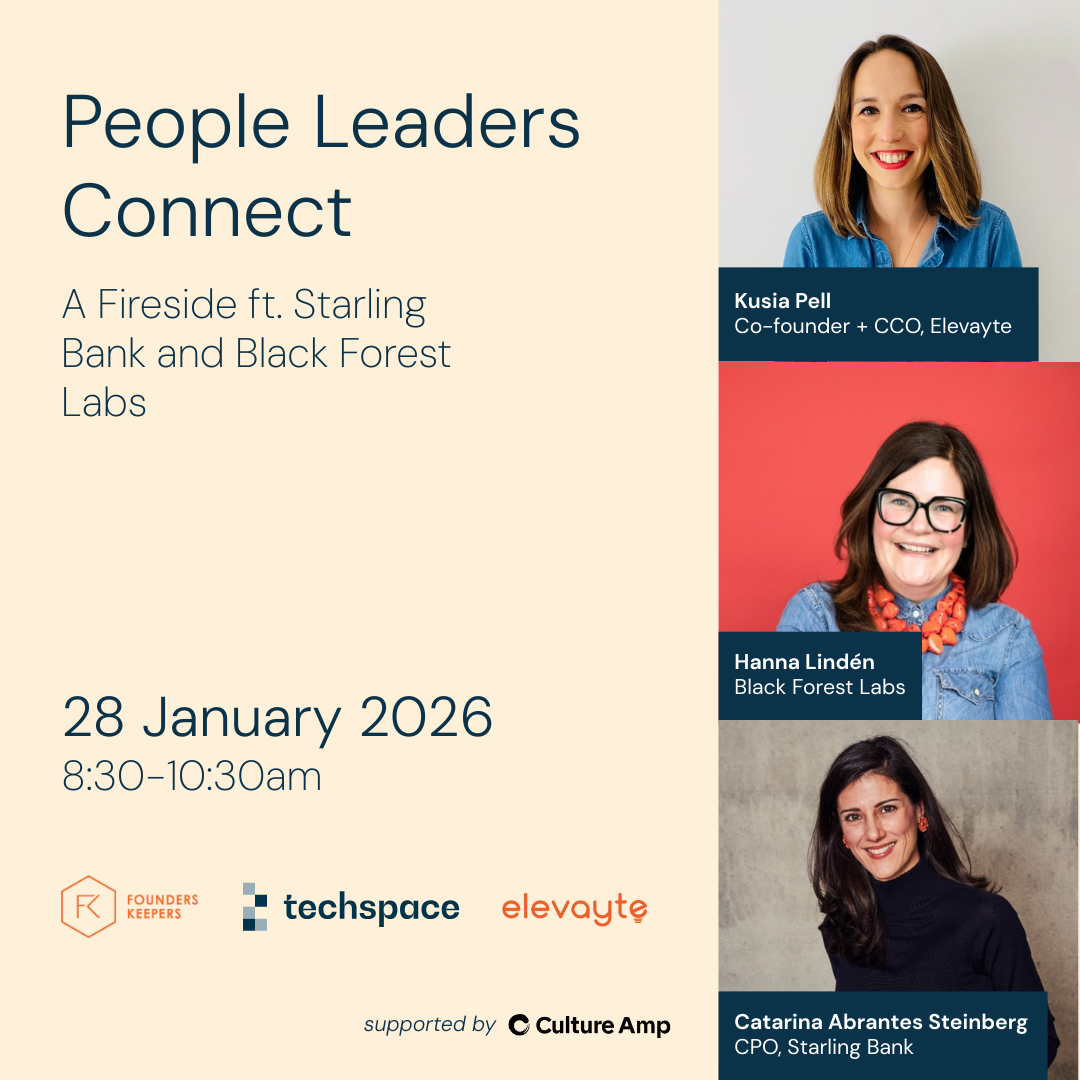
Catarina Abrantes Steinberg, CPO of Starling Bank
Previously at Dojo and Expedia Group, and now leading People at a scaled, complex organisation with thousands of employees, Catarina will share what’s top of mind for People leaders operating in high-growth (and highly-regulated) environments.
Hanna Lindén Black Forest Labs
Hanna is right in the thick of one of Europe’s most exciting AI organisations, complete with all the opportunities, tensions and pace that come with building at the frontier. Expect candour, practical insights, and a healthy dose of real-world wisdom.
Below is a summary of the key themes and insights that resonated most strongly in the room.
1. Leadership Has Shifted and Expectations Have Changed
One of the strongest through-lines was the idea that leaders are no longer expected to have all the answers, but they are expected to provide direction.
- Strategy now changes faster than humans naturally adapt (often every 6 months)
- Engagement is harder to sustain, with declining scores across many organisations
- Leaders are absorbing a much higher emotional load, often becoming the first port of call for personal and professional concerns
- The real work is translating complexity into something teams can act on
Takeaway: Leadership today is about sense-making, not certainty.
2. AI: Moving Beyond the Hype to Real Embedding
The panel challenged the idea that AI adoption is a shortcut.
- AI should accelerate thinking, not replace it
- Leaders must resist the “easy way out”, frameworks, judgement and critical thinking still matter
- There’s a growing need to push back on generic, “ChatGPT-looking” outputs and demand human refinement
- Generational differences are real:
- AI-native teams need guidance on how to apply tools well
- More established teams need encouragement and psychological safety to adopt them
- AI-native teams need guidance on how to apply tools well
Takeaway: AI raises the bar on leadership judgement, it doesn’t lower it.
3. The Leadership Skills That Now Matter Most
As technical capability becomes increasingly commoditised, a new leadership skill-set is emerging:
- Emotional intelligence – bridging the rational and emotional realities of work
- Learning agility – continual reinvention in a fast-changing environment
- Storytelling – creating meaning, direction and belief
- Curiosity + critical thinking – not accepting outputs at face value
- A shift from “hero leadership” to leverage leadership, learning from teams, not just leading at them
Takeaway: The best leaders are no longer the smartest person in the room, they create the most leverage.
4. Redefining High Performance
“High performance” can no longer be a vague aspiration.
- It needs to be clearly defined: What does high performance actually mean here?
- The focus is shifting from outputs to impact
- How work gets done matters as much as what gets done
- Performance needs both:
- Backward-looking accountability
- Forward-looking growth and development
- Backward-looking accountability
- With AI in the mix, average work is increasingly replaceable
Takeaway: Leaders need coaching capability, not just people management skills.
5. Culture Under Pressure: Resetting Expectations Without Losing Humanity
Finally, the panel explored the delicate balance of evolving workplace expectations.
- There’s a necessary shift from parent-child to adult-adult relationships at work
- But there’s a real risk of work becoming overly transactional
- What must be protected:
- Human connection
- Trust
- Friendship and community at work
- Human connection
- Successful culture resets require:
- Transparency around why change is happening
- Involving employees in the journey
- A grassroots, shared effort rather than top-down mandates
- Clarity that not every environment will suit everyone, and that’s okay
- Transparency around why change is happening
Takeaway: Culture change only sticks when people feel part of it, not subject to it.
Thanks again for the energy, honesty and quality of questions in the room. These conversations are exactly why getting people together still matters.
We hope to continue the discussion at future sessions very soon.
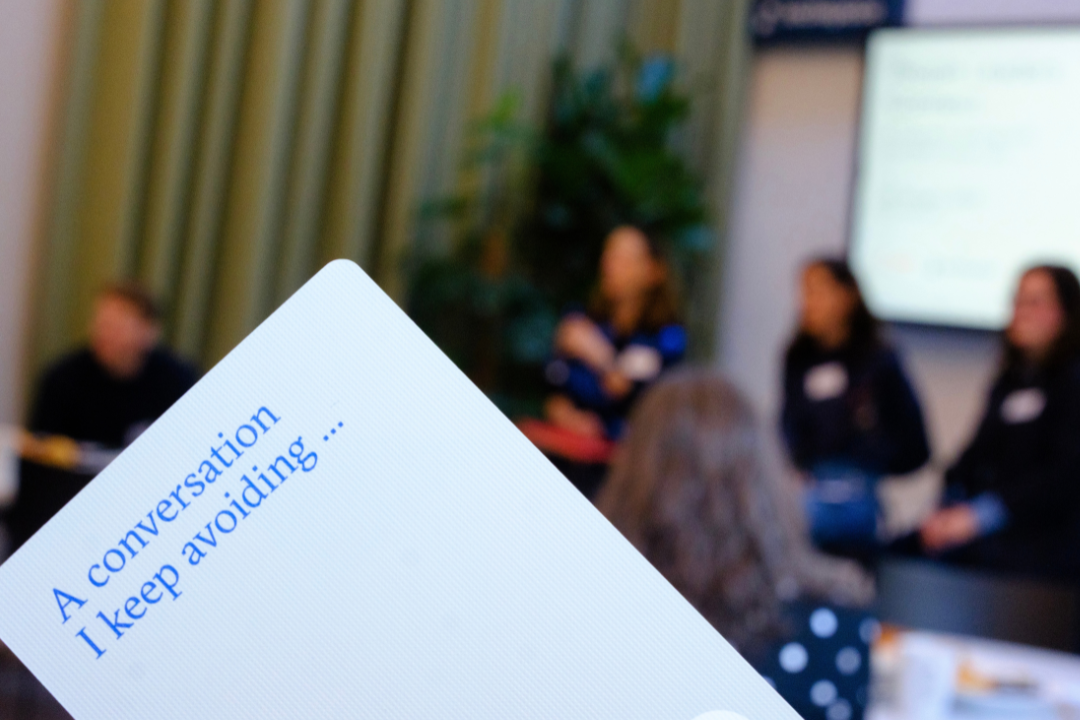
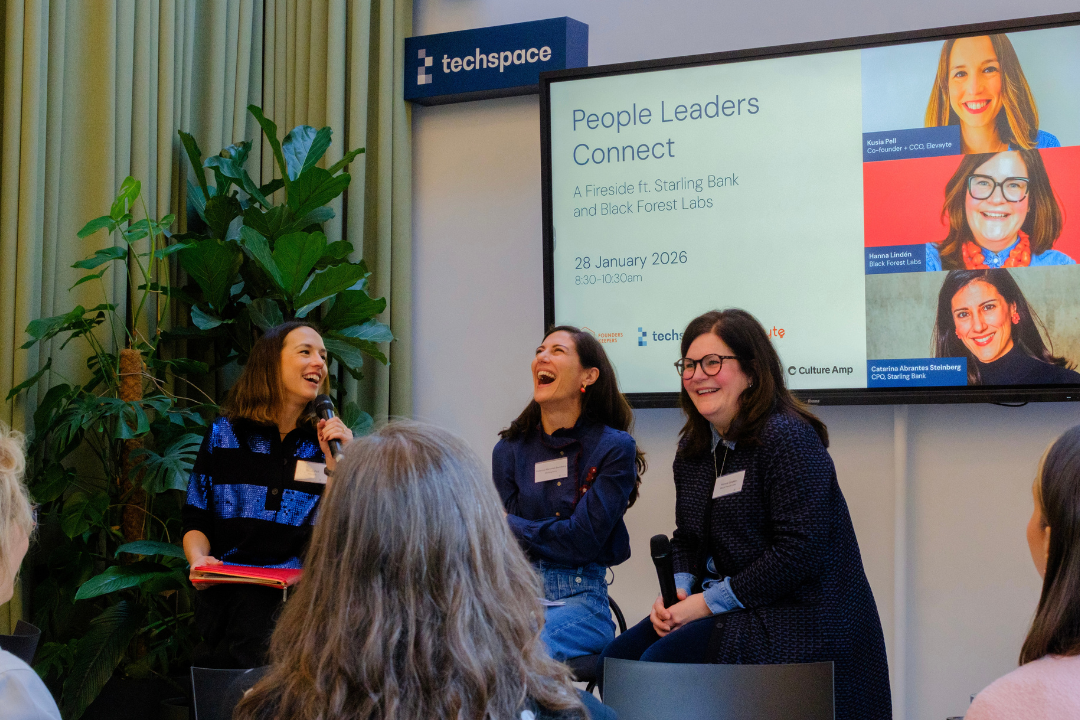
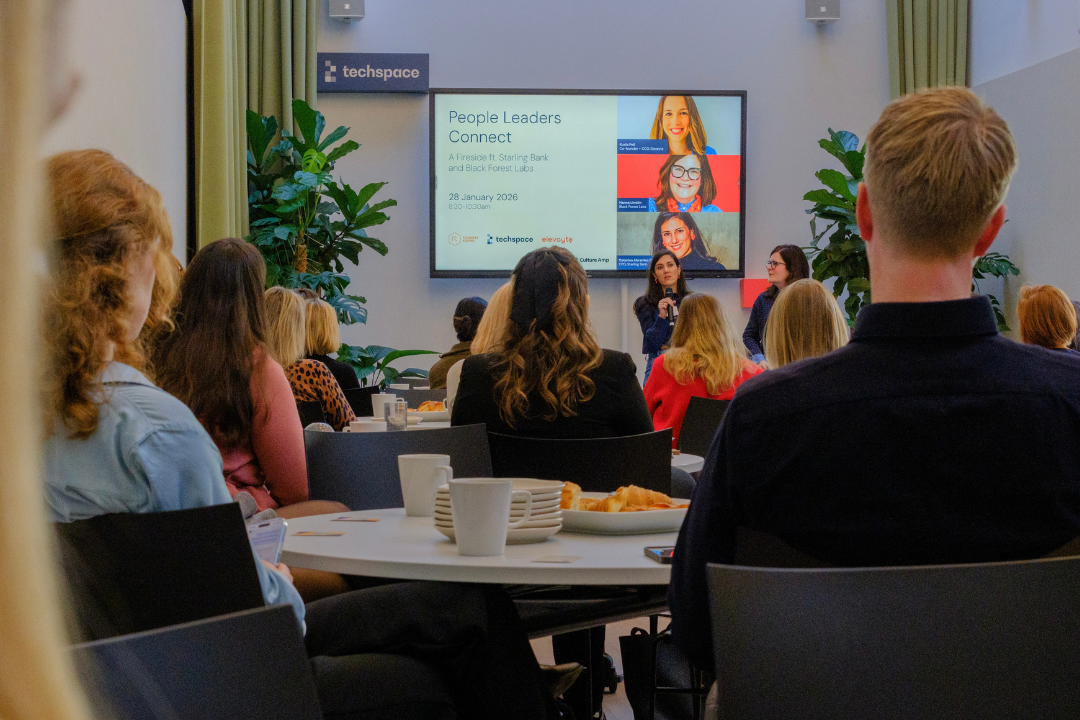
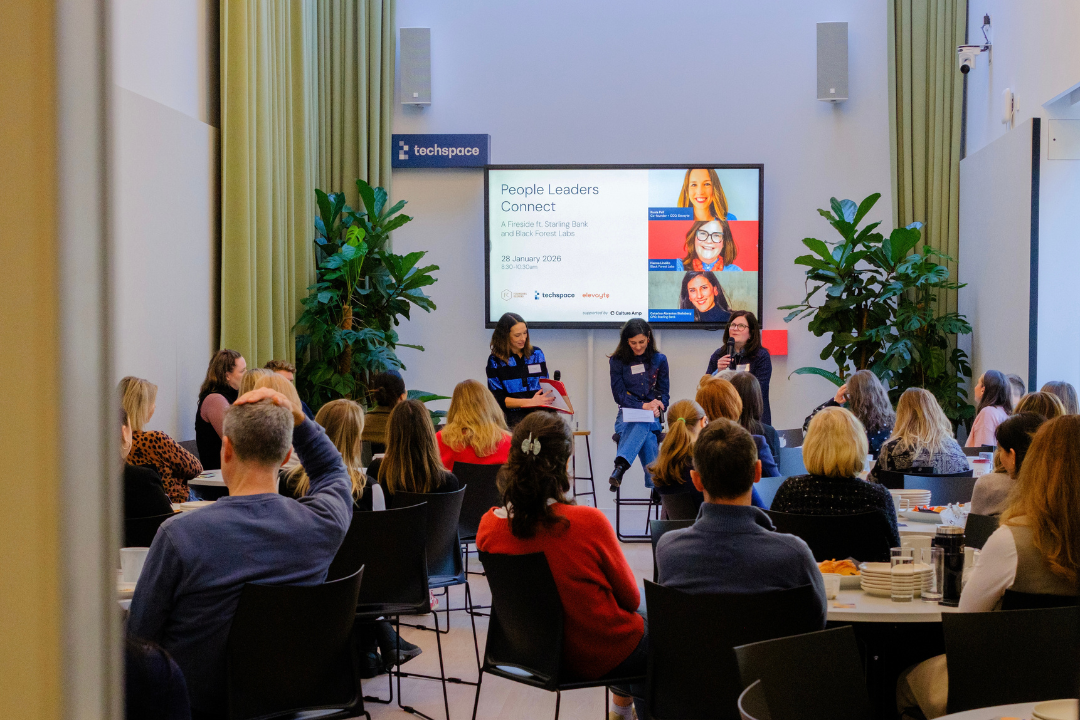
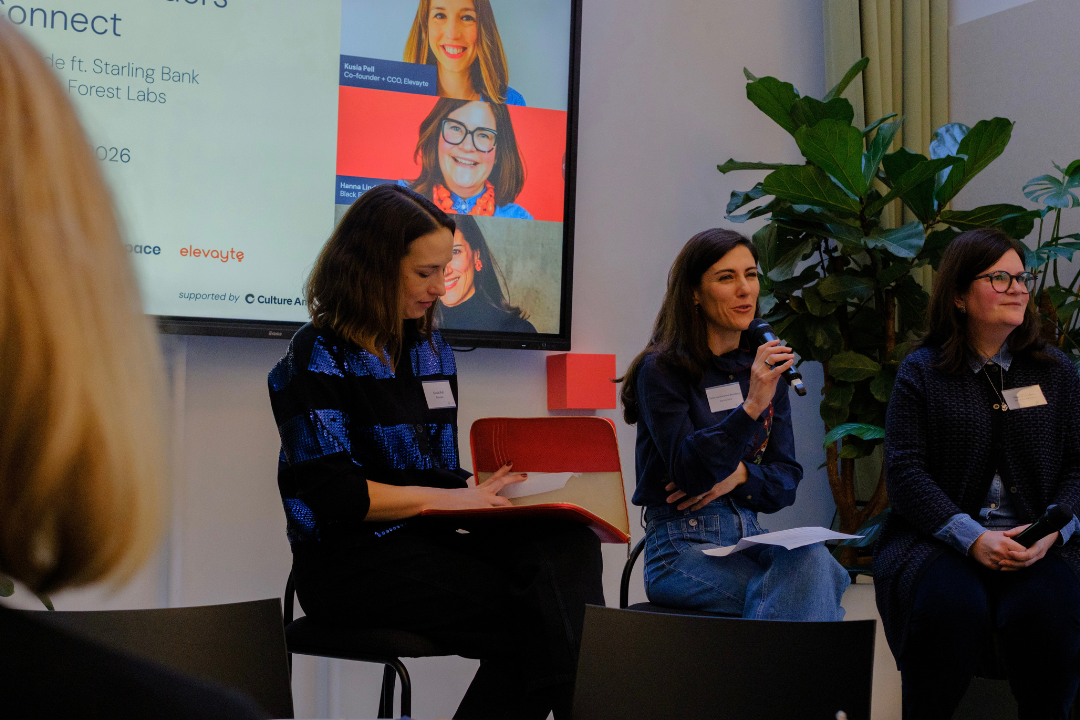
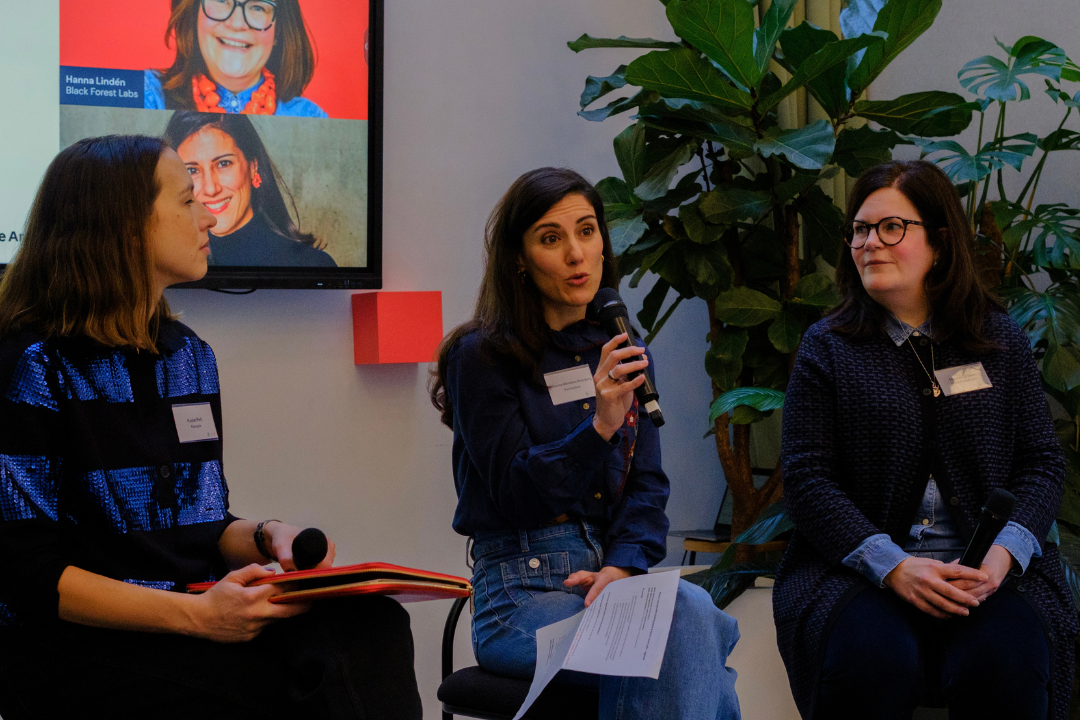
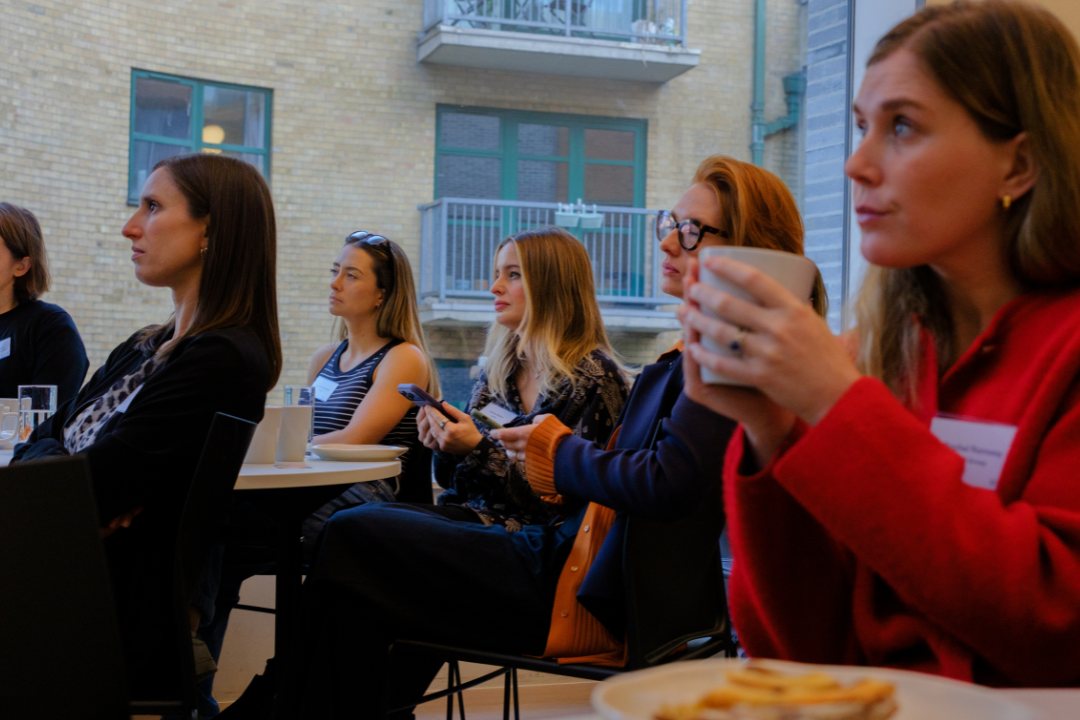
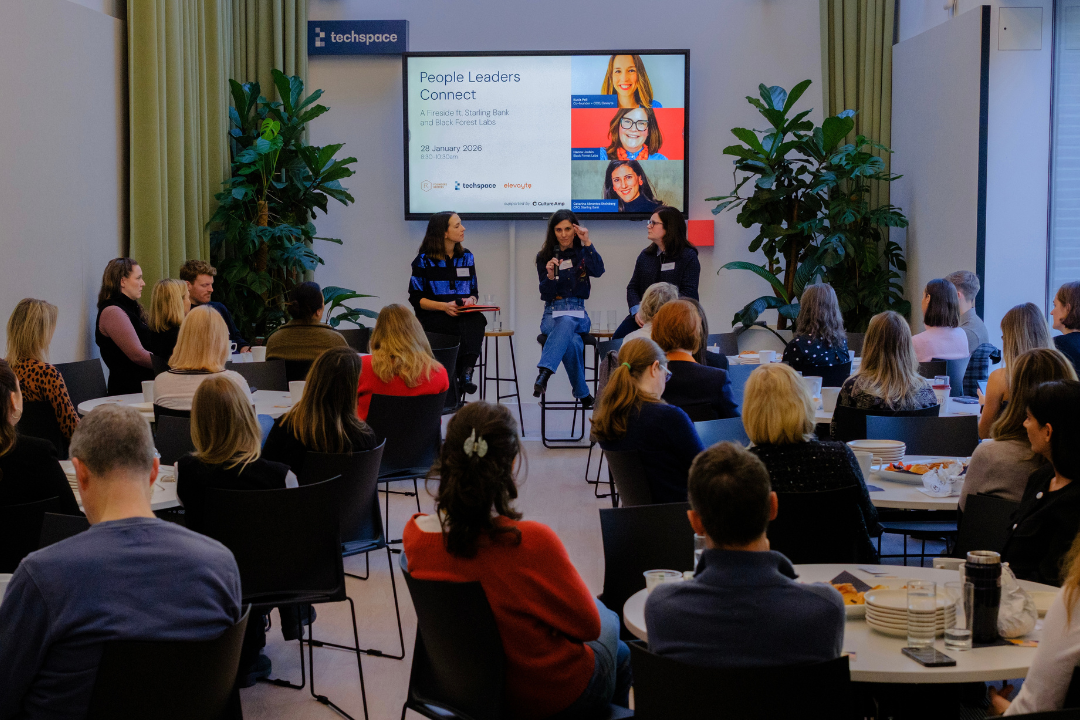
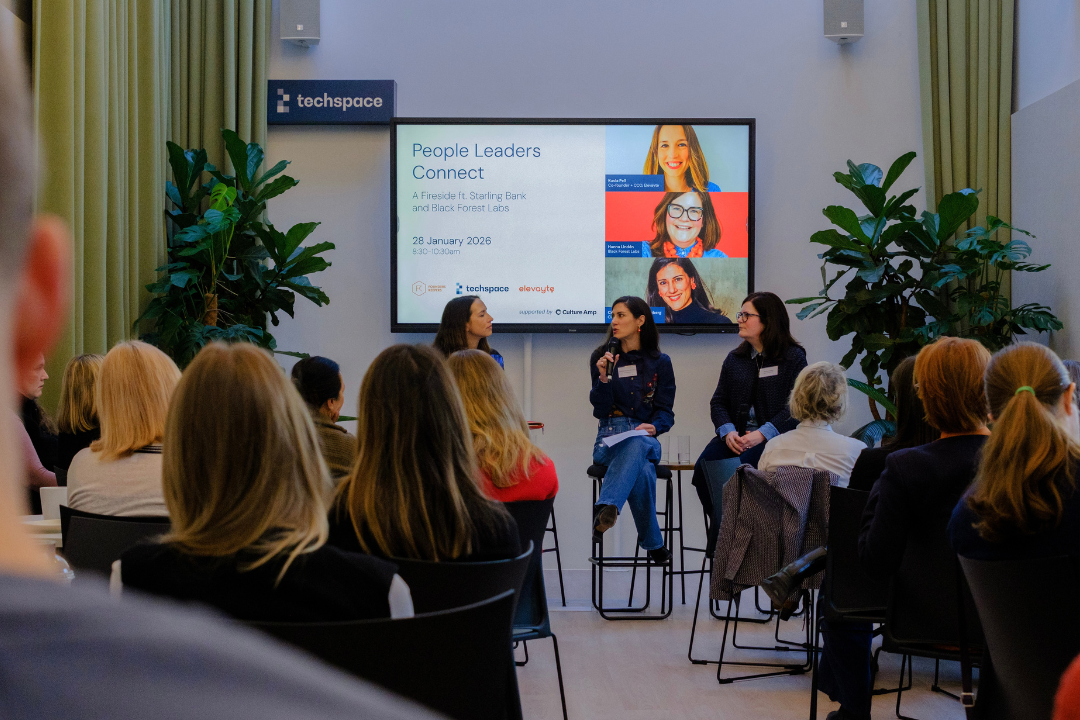
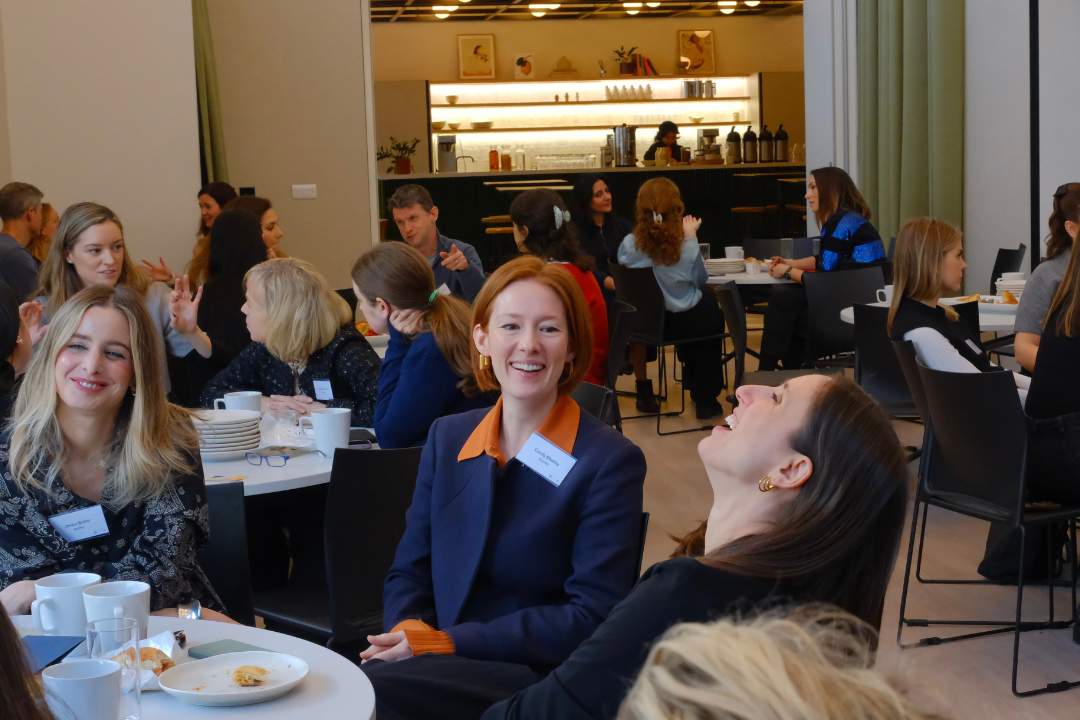
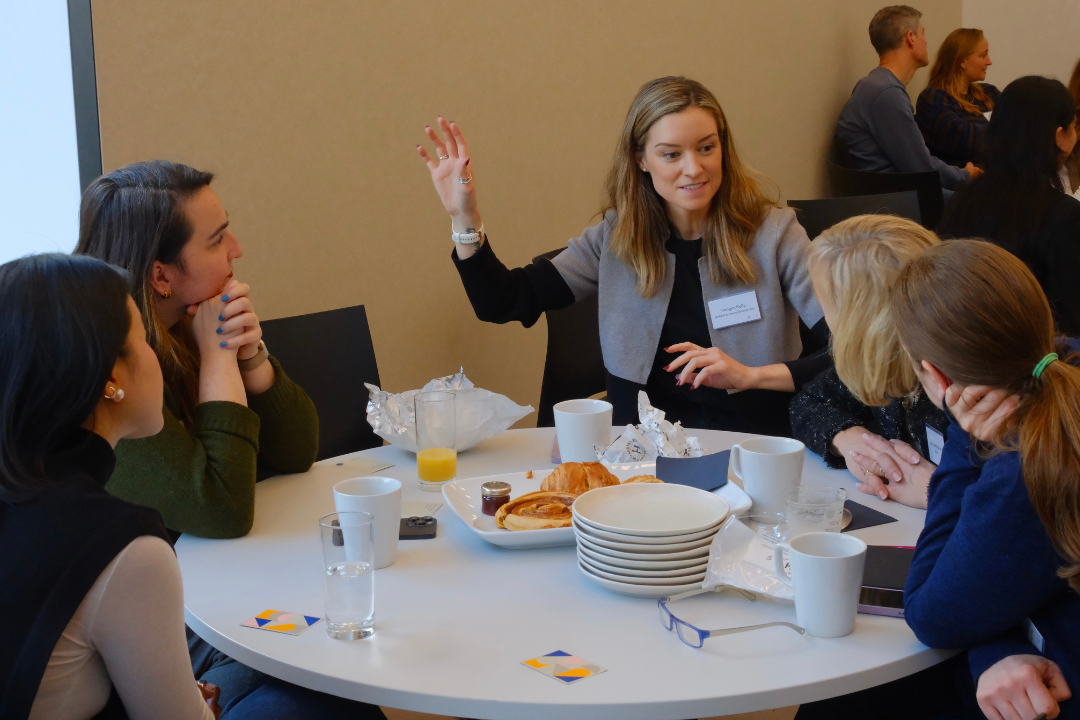
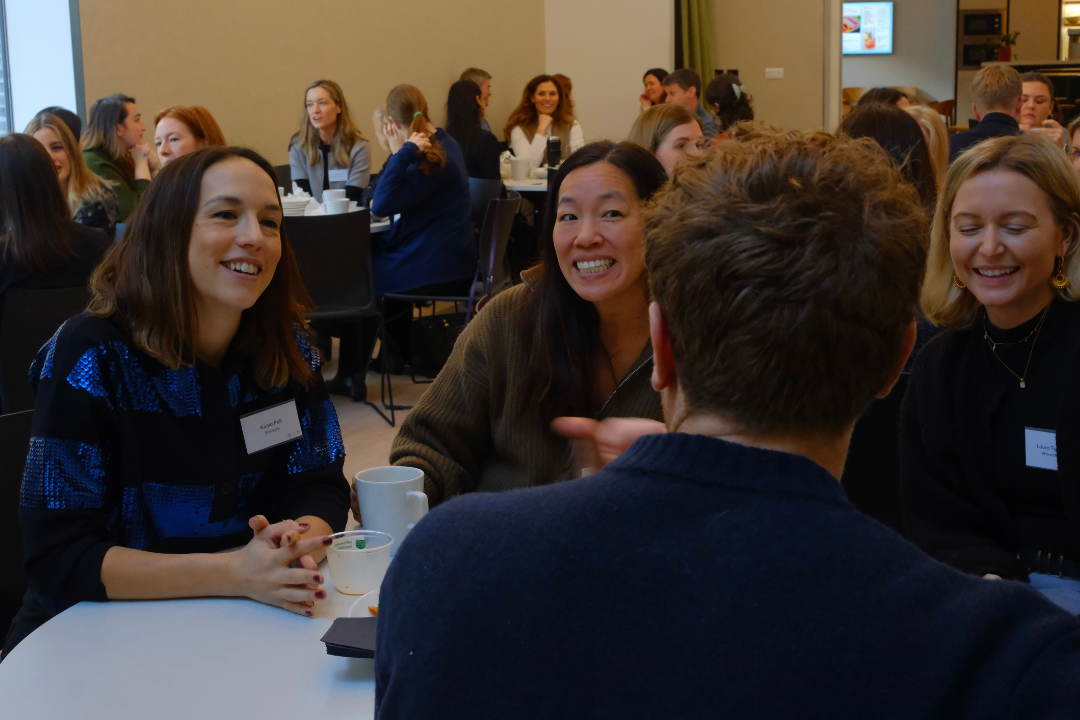
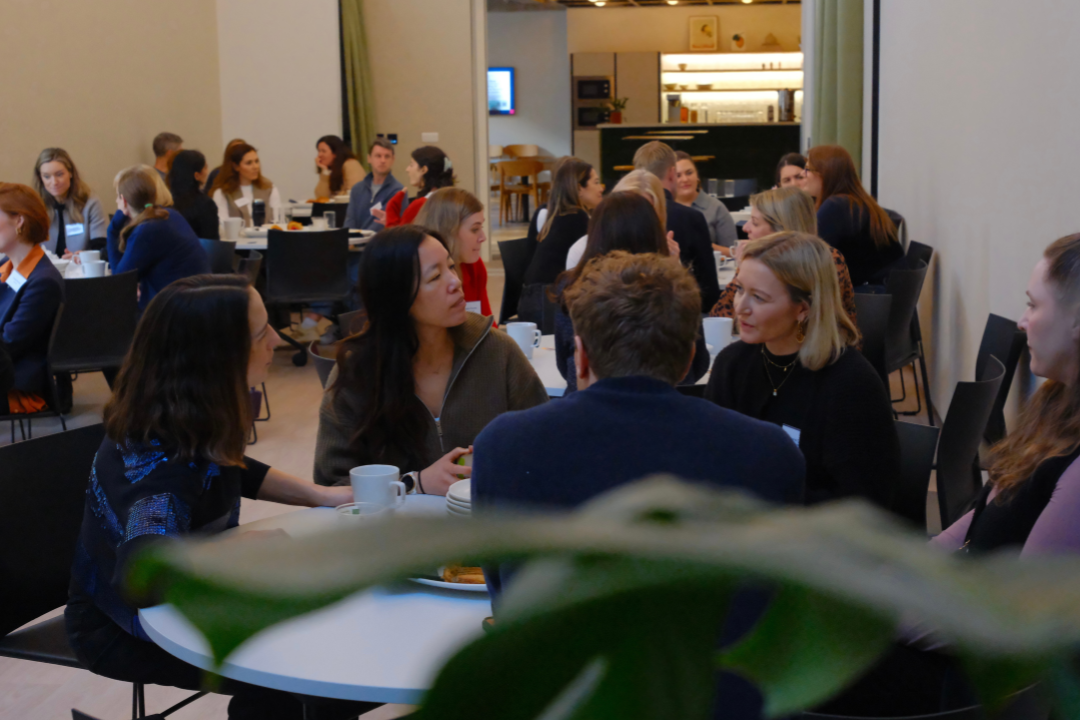
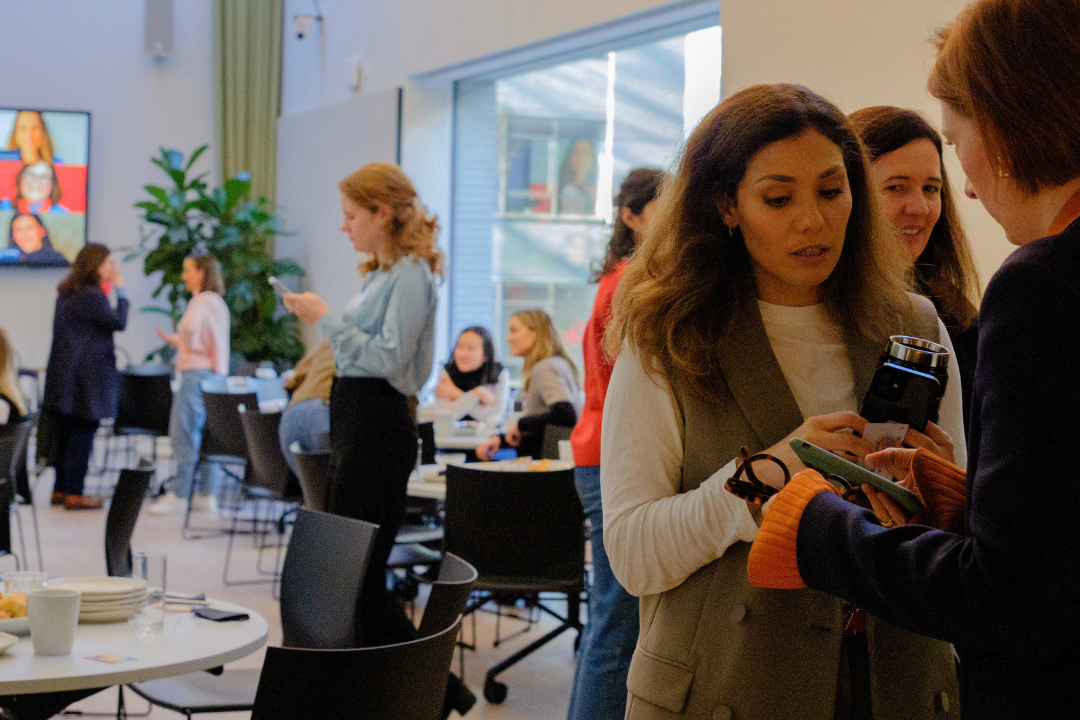
Here's a highlight of gallery photos from the day.


.avif)
%20(6).avif)
%20(8).avif)